.png)
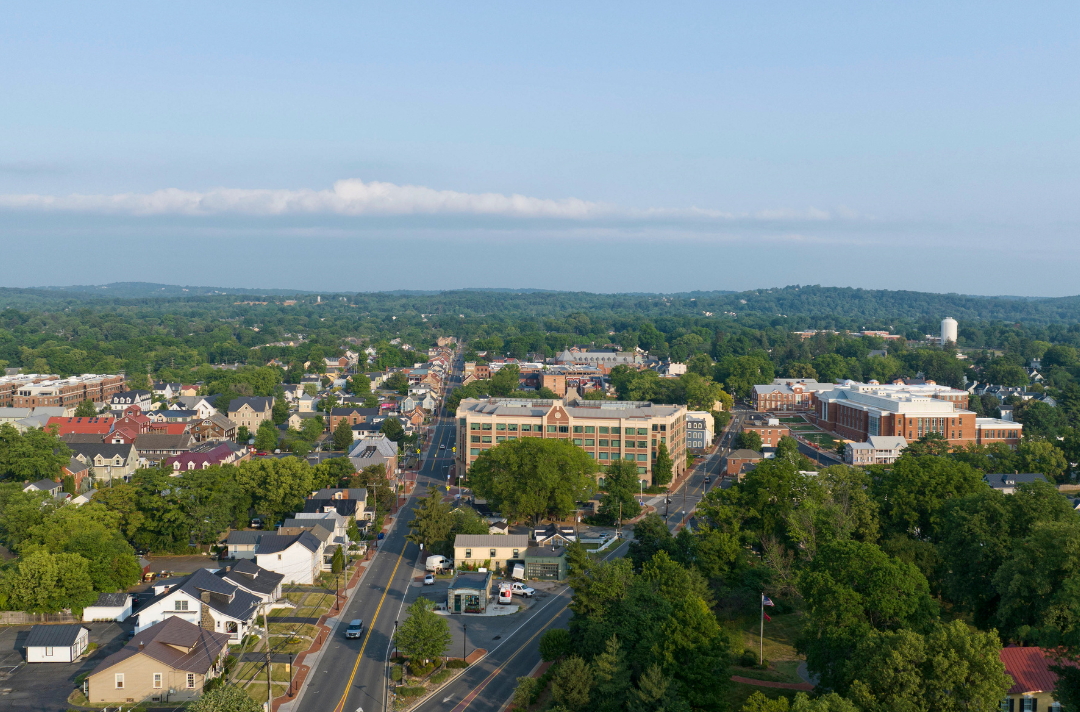
Loudoun County has transformed dramatically over the past two decades. What was once primarily rural farmland is now one of the fastest-growing regions in Virginia. With that growth has come an explosion of housing developments, commercial centers, and commuter traffic flowing in and out of Leesburg, Ashburn, and Sterling every day.
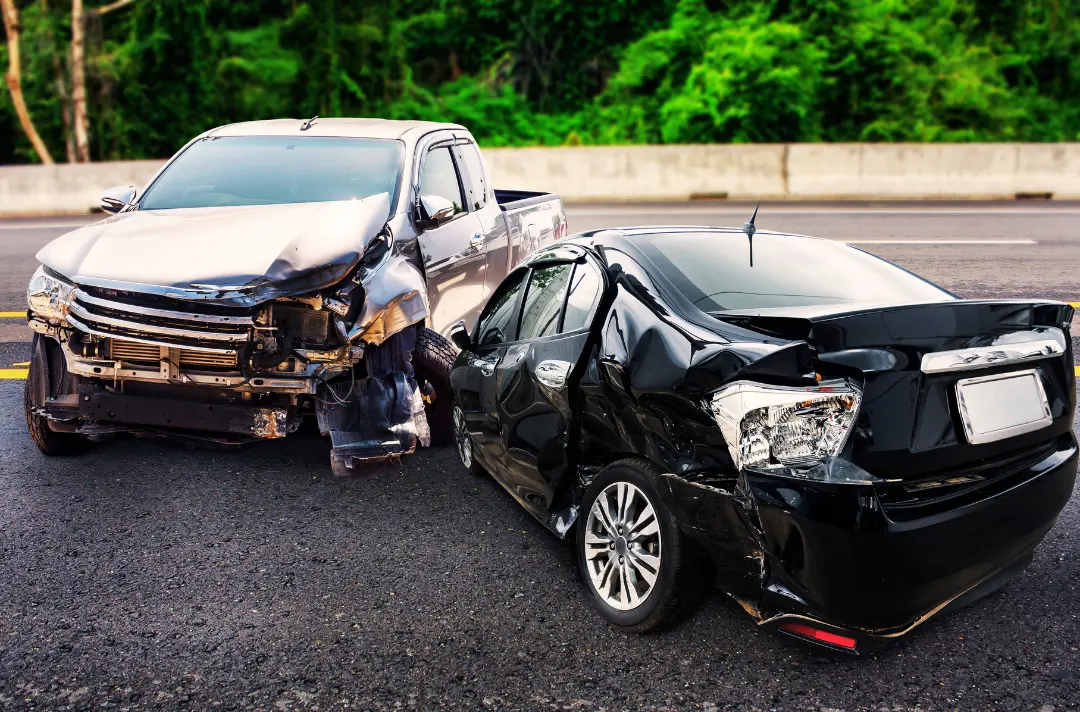
Unfortunately, more vehicles on the road mean more crashes. As a Leesburg-based law firm, we see firsthand how frequently serious collisions occur on the most dangerous roads in Loudoun County. Behind every statistic is a family facing medical bills, missed work, and long-term recovery.
If you commute along Route 7, Route 15, or through busy Leesburg intersections, understanding where and why crashes happen can help you protect yourself and your loved ones.
Certain roadways consistently account for a significant number of crashes due to speed, congestion, or outdated infrastructure. These three corridors are among the most problematic.
Route 7, also known as Harry Byrd Highway, is one of the primary east-west arteries through Loudoun County. It connects Leesburg to Ashburn, Sterling, and ultimately Tysons and Arlington, making it a heavily traveled commuter route.
As drivers approach the Leesburg town limits, traffic patterns change rapidly. Vehicles may be traveling at highway speeds one moment and braking suddenly the next. This creates ideal conditions for high-speed rear-end collisions, which often result in serious neck and spinal injuries.
Multi-vehicle pileups are not uncommon during inclement weather. Rain, fog, and winter ice can turn Route 7 into a chain-reaction crash zone in a matter of seconds.
If you have been injured in a crash along this corridor, speaking with a knowledgeable Loudoun County accident lawyer can be critical in understanding liability and preserving evidence.
Route 15, known as James Monroe Highway, runs north-south through Leesburg and into more rural parts of Loudoun County.
While portions have been widened, several stretches remain two-lane roads with limited shoulders and minimal median separation.
Unlike Route 7, which is often congested, Route 15 can give drivers a false sense of openness. When traffic slows behind farm equipment or trucks, impatient drivers may attempt risky passing maneuvers.
Head-on collisions at highway speeds are among the most severe types of crashes we see. These incidents frequently result in catastrophic injuries or fatalities.
The Dulles Greenway and connecting toll roads serve as major commuter routes for residents of Ashburn, Sterling, and Leesburg heading toward Northern Virginia job centers.
Because traffic flows at higher speeds, even minor errors can have major consequences. Drivers merging at high velocity often misjudge gaps, leading to side-impact collisions. During heavy rain, hydroplaning incidents spike due to speed and water buildup.
While highways account for severe crashes, many serious injuries occur closer to home at busy intersections within town limits.
This heavily traveled commercial intersection sees significant turning traffic, especially during peak shopping hours. Left-turn collisions and red-light violations are common.
The interchanges where the bypass connects with local roads create complex traffic patterns. Drivers unfamiliar with the area may hesitate or make last-second lane changes.
With ongoing development in the area, traffic volume has increased dramatically. Congestion combined with distracted driving has led to a rise in intersection crashes.
These dangerous intersections in Leesburg are especially hazardous because they combine local traffic, delivery vehicles, pedestrians, and commuters unfamiliar with changing traffic patterns.
According to statewide transportation data, Loudoun County car accident statistics reflect a steady increase in crashes over recent years. As population density rises, so does the number of injury-causing collisions.
Common contributing factors include:
The growth of data centers, new housing developments, and expanded retail areas continues to increase daily vehicle counts across Leesburg, Sterling, and Ashburn.
If you are involved in a crash on one of the most dangerous roads in Loudoun County, taking the right steps immediately can protect both your health and your legal claim.
1. Prioritize Safety: Move to a safe location if possible and check for injuries.
2. Call Law Enforcement: Always request an officer at the scene. An official crash report can be essential in proving fault.
3. Seek Medical Attention: Even if injuries seem minor, get evaluated. Some symptoms appear hours or days later.
4. Document the Scene: Take photos of vehicles, skid marks, traffic signals, and road conditions. Capture weather and lighting conditions if relevant.
5. Avoid Admitting Fault: Stick to factual information when speaking to police and other drivers.
6. Contact an Experienced Local Attorney: If you were injured, consult a trusted Leesburg car accident lawyer who understands the specific roadways involved. You may also benefit from guidance from a Loudoun County personal injury lawyer familiar with local courts and insurance tactics.
Every roadway has unique characteristics. Timing of traffic lights, poorly marked merge lanes, seasonal sun glare, and construction patterns can all contribute to negligence claims.
A lawyer who regularly handles Leesburg, VA, traffic accidents understands:
This local insight can strengthen your case when negotiating with insurance companies or presenting evidence in court.
If you have been injured on Route 7, Route 15, the Dulles Greenway, or at a dangerous intersection in Leesburg, you do not have to navigate the aftermath alone.
If you’ve been injured on Route 7, Route 15, or anywhere in Loudoun County, put our local experience to work for you. Contact the Law Office of Clinton O. Middleton today.